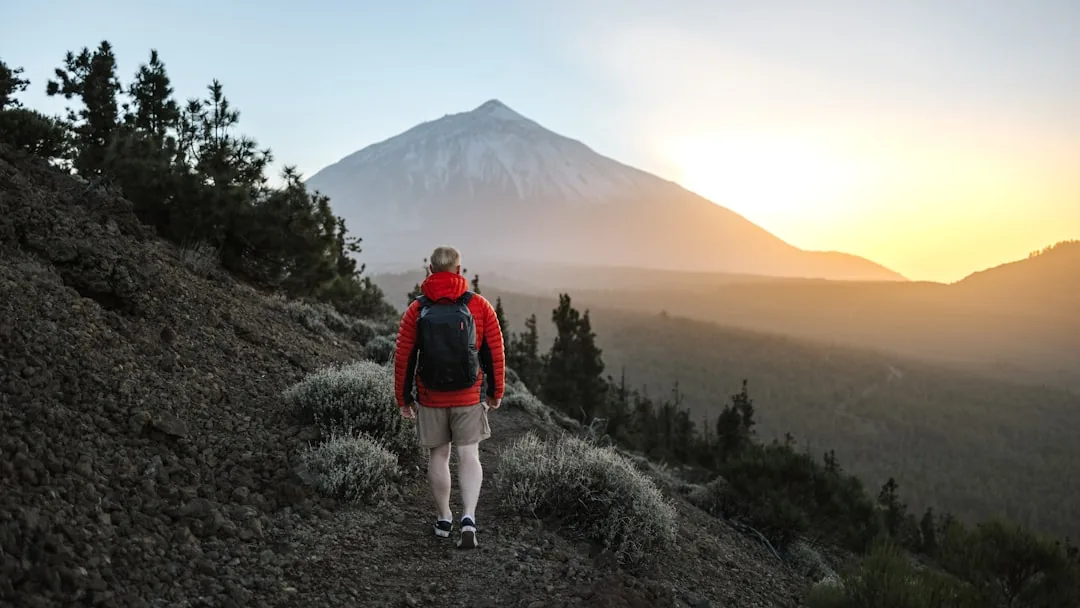
Tenerife is one of those islands that looks easy at first.
Sunshine, beaches, hotels, boat trips, volcano views and short distances on the map. Many visitors arrive thinking they can simply improvise everything once they land.
And sometimes that works.
But Tenerife is more complex than it looks. It is not just a beach destination. It is a volcanic island with mountain roads, microclimates, protected natural areas, busy tourist zones, local communities, altitude, changing weather and millions of visitors every year.
That is why first-time visitors often make the same mistakes.
The good news is simple: most of these mistakes are easy to avoid. You just need to understand the island before trying to squeeze everything into one holiday.
Here are the most common mistakes tourists make in Tenerife — and what to do instead.
1. Thinking Tenerife Is Only a Beach Island
The biggest mistake is seeing Tenerife only as a place for beaches and hotel pools.
Yes, the beaches are a major part of the island. Costa Adeje, Los Cristianos, Playa de las Américas, El Médano and many coastal areas are popular for a reason. The weather is good, the sea is close and everything feels easy.
But Tenerife is much more than that.
In a single island, you can find volcanic landscapes, pine forests, black sand beaches, dramatic cliffs, old colonial towns, banana plantations, lunar rock formations, natural pools, misty laurel forests, local villages and one of the clearest night skies in Europe.
If you only stay in the resort zone, you may have a nice holiday — but you will miss the real personality of the island.
What to do instead: plan at least one day for Teide National Park, one day for the north or Anaga, and one coastal experience such as a boat trip, beach route or natural pool visit.
2. Underestimating Driving Times
Tenerife looks small on Google Maps, but driving here is not always as simple as it appears.
A route may look short in kilometres, but the real journey can be affected by traffic, roadworks, mountain curves, parking problems, viewpoints, buses, cyclists and sudden weather changes.
This is especially true if you plan to visit Teide, Masca, Anaga, Garachico, Puerto de la Cruz or several towns in one day.
The TF-1 motorway in the south and the TF-5 in the north can become heavily congested at peak times. Mountain roads are beautiful, but they are not fast. Parking in famous villages or beaches can also take longer than expected.
What to do instead: do not plan your day only by distance. Add buffer time. Avoid peak commuter hours when possible. If a route includes mountains, treat it as a half-day or full-day experience, not a quick stop.
3. Trying to See the Whole Island in One Day
This is one of the classic first-time Tenerife mistakes.
Some visitors try to do Teide, Masca, Garachico, La Orotava, Puerto de la Cruz, Anaga and Santa Cruz in one day. Technically, you can drive around a lot of the island in a day. But that does not mean you will enjoy it.
Tenerife rewards slower travel. The best moments are often not just the main attractions, but the roads, viewpoints, coffee stops, local restaurants and changes in landscape.
When you overload your day, everything becomes a checklist. You spend more time in the car than actually experiencing the island.
What to do instead: divide the island into zones. Do Teide properly. Do the north properly. Do Anaga as its own experience. Do not try to turn Tenerife into a race.
4. Going to Teide Without the Right Clothes
Many tourists leave the south in shorts, flip-flops and a T-shirt, then arrive near Teide surprised by wind, cold air and altitude.
This is one of the most common mistakes in Tenerife.
The south coast can feel warm and summery, while Teide National Park can be cold, windy or even icy in winter. At sunset and at night, temperatures can drop quickly. For stargazing, warm clothing is essential for comfort.
Teide is also high altitude. The summit reaches more than 3,700 metres above sea level, and even the national park roads and viewpoints sit far above the coast.
What to do instead: bring layers, closed shoes, sun protection and water. For sunset or stargazing, bring a jacket even if the beach is hot. If you plan to hike, use proper footwear.
5. Assuming You Can Visit the Top of Teide Without Planning
Another mistake is thinking that visiting Mount Teide summit is the same as visiting a normal viewpoint.
Teide National Park is open and accessible, but specific protected routes require reservation or authorisation. The Telesforo Bravo trail to the peak is controlled, and access without a valid reservation may result in penalties. Official national park information also confirms that a permit is required for this activity.
This matters because many visitors only discover the permit issue after they have already planned the day.
You can still enjoy Teide without reaching the summit. The national park, viewpoints, Roques de García, cable car area, sunset routes and stargazing experiences are all memorable. But if your dream is the actual peak, you need to plan ahead.
What to do instead: check official reservation requirements before your trip. Do not assume summit access is automatic. If you cannot get a permit, build a Teide plan around viewpoints, sunset, geology, cable car availability or stargazing.
6. Visiting Masca Without Understanding the Rules
Masca is one of the most famous places in Tenerife, and it is easy to see why. The village sits between dramatic cliffs and mountain walls, creating one of the most photogenic landscapes on the island.
But Masca is not a casual stop for every type of visitor.
The road is narrow and winding. Parking is limited. The gorge trail is regulated and requires booking through the official Masca Gorge Trail system. The official booking information also states that suitable mountain footwear is mandatory, and that visitors may be refused access if they do not meet the requirements.
For the trail, visitors must also understand that conditions can change. Sea conditions may affect the jetty, and visitors may need to return on foot if instructed.
What to do instead: decide whether you want only to visit the village viewpoint or actually hike the gorge. If hiking, book officially, read the requirements and wear the right footwear. If driving makes you nervous, consider an organised option.
7. Ignoring the North of Tenerife
Many first-time visitors stay in the south and never really explore the north.
This is understandable. The south has the beaches, resorts, nightlife, boat trips and many tourist services. It is convenient and sunny.
But the north shows a completely different side of Tenerife: green landscapes, historic towns, old architecture, vineyards, natural pools, local restaurants and more traditional island life.
La Laguna, La Orotava, Garachico, Icod de los Vinos, Puerto de la Cruz and Anaga all offer a very different atmosphere from Costa Adeje or Playa de las Américas.
What to do instead: give the north at least one full day. Do not treat it as a quick detour. The north is not just another part of the island — it changes how you understand Tenerife.
8. Not Checking Weather by Area
Tenerife has microclimates. This means the weather can be very different depending on where you are on the island.
It can be sunny in Costa Adeje, cloudy in La Laguna, windy in El Médano, cool in Teide and rainy in Anaga — all on the same day.
Many visitors check one general Tenerife forecast and assume it applies everywhere. That can lead to bad clothing choices, disappointing beach plans or risky mountain decisions.
What to do instead: check the weather for the specific area you are visiting. South coast, north coast, Teide and Anaga can all behave differently. If you plan mountain activities, check conditions more carefully.
9. Booking the Cheapest Option Without Reading the Details
Tenerife has many activities: boat trips, buggy routes, quad tours, paragliding, diving, Teide tours, island tours, stargazing, water sports and family attractions.
The cheapest option is not always the best option for your situation.
Sometimes the difference is group size, pickup area, language, duration, insurance, what is included, cancellation rules, safety standards, route quality or how clearly the provider explains restrictions.
This is especially important for activities affected by weather, weight limits, physical condition, age limits, sea conditions or altitude.
What to do instead: read the details before booking. Check pickup points, what to bring, restrictions, cancellation rules and whether the activity matches your expectations. A good booking is not just about price — it is about fit.
10. Forgetting That the Ocean Can Be Dangerous
The Atlantic Ocean around Tenerife is beautiful, but it is not a swimming pool.
Some beaches are calm and family-friendly. Others can have waves, currents, rocks, sudden depth changes or conditions that are unsafe for swimming.
Tourists sometimes ignore flags or enter the water in places where locals would be more cautious. This can be dangerous, especially on wild beaches, natural pools, rocky coastlines and days with strong swell.
What to do instead: respect beach flags and lifeguard instructions. If there is a red flag, do not swim. Be extra careful at wild beaches and natural pools. The ocean is part of Tenerife's beauty, but it deserves respect.
11. Wearing the Wrong Shoes
This sounds small, but it affects many Tenerife trips.
Flip-flops may be fine for the hotel pool or beach promenade. They are not ideal for volcanic trails, viewpoints, natural pools, Masca, Anaga, Teide, slippery rocks or uneven old town streets.
The island has a lot of volcanic rock, steep steps, dusty paths and rough surfaces. A simple footwear mistake can make a beautiful place uncomfortable or unsafe.
What to do instead: bring at least one pair of comfortable closed shoes. If you plan hikes or protected trails, bring proper walking or mountain footwear.
12. Not Reserving Popular Experiences Early Enough
Some visitors arrive and expect everything to be available last minute.
That can work in quiet periods, but not always. Popular experiences like Teide stargazing, paragliding, boat trips, Masca access, special restaurants, family attractions or weekend activities can sell out or have limited availability.
Weather can also move bookings around, especially for sea activities, paragliding and mountain experiences. If you wait too long, you may lose flexibility.
What to do instead: book priority experiences early in your holiday, not on your last day. This gives you room to reschedule if weather changes.
13. Staying Only in the Most Touristic Areas
There is nothing wrong with staying in a tourist area. Costa Adeje, Los Cristianos and Playa de las Américas are popular because they are convenient, sunny and full of services.
The mistake is never leaving those areas and then thinking you have seen Tenerife.
The resort zones are only one version of the island. They are comfortable, but they are not the whole story.
What to do instead: use the tourist zones as a base, not a boundary. Go to a local market, a northern town, a volcanic landscape, a rural restaurant, a traditional village or a viewpoint away from the hotel strip.
14. Thinking Tenerife Is the Same All Year
Tenerife has good weather all year, but the visitor experience changes by season.
Winter brings European sun-seekers. Summer brings families and Spanish holidaymakers. Carnival season changes the atmosphere in Santa Cruz and other towns. School holidays can make attractions busier. Wind conditions matter in places like El Médano. Teide can feel very different between August and January.
What to do instead: plan for the season you are actually visiting. Tenerife is not a one-version destination. The island changes with weather, events, crowds and local rhythm.
15. Not Understanding Local Life
Tenerife is a holiday destination, but it is also home to almost one million residents.
People live here, work here, raise families here, study here and deal with traffic, housing pressure and the impact of mass tourism. When visitors forget this, tension can appear.
The island is not a theme park. Villages are not film sets. Natural spaces are not free-for-all playgrounds. Roads, beaches, restaurants and viewpoints are shared with local people.
What to do instead: travel with respect. Park properly, keep noise down in residential zones, avoid blocking roads for photos, follow local rules and support businesses that treat the island well.
16. Leaving Everything for the Last Day
This mistake happens often.
Visitors leave Teide, boat trips, paragliding, diving or a special island route for the final day. Then wind, cloud, road conditions, sea conditions or full availability ruins the plan.
Tenerife is an outdoor island. Many of its best experiences depend on weather or logistics.
What to do instead: schedule your must-do activities in the first half of the holiday. Keep the final days flexible for beach time, shopping, relaxed meals or rescheduled activities.
Final Thoughts: Tenerife Is Easy to Love, But Better When You Understand It
Tenerife is not difficult to visit. But it is easy to underestimate.
The island looks small, sunny and simple. In reality, it has mountains, altitude, busy roads, protected areas, microclimates, strong ocean conditions and local communities that deserve respect.
The best Tenerife holidays usually happen when visitors slow down, plan smarter and stop trying to force the island into a checklist.
Do not just ask: "What can I see in Tenerife?"
Ask: "How can I experience Tenerife properly?"
That small change makes the whole trip better.
Share this article