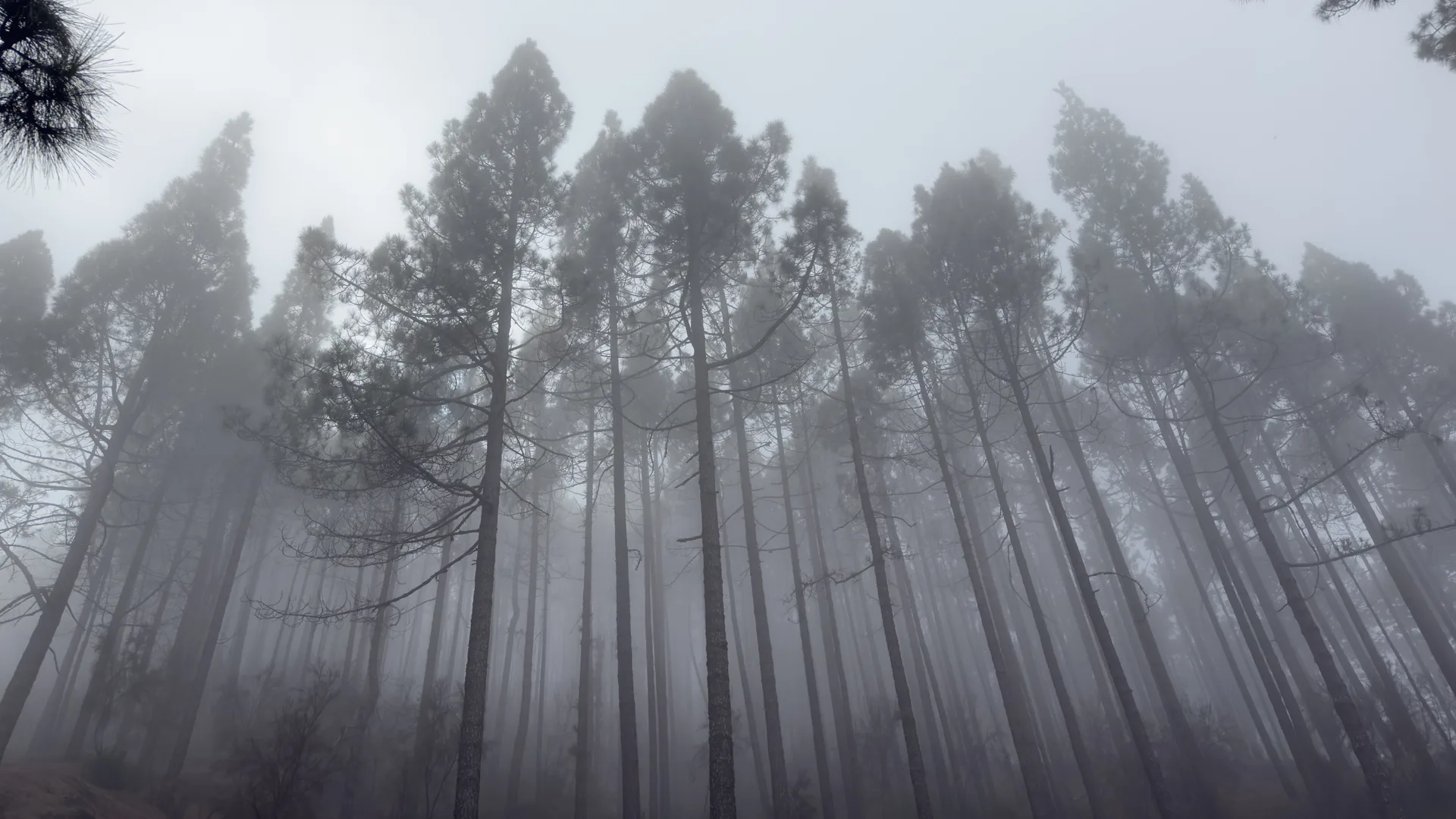
Tenerife is one of those places that looks almost unreal when you first arrive. The ocean is blue, the cliffs are dramatic, the weather is warm, the palm trees move in the wind, and Mount Teide rises above the island like a sleeping giant.
For many visitors, the first impression is simple: paradise.
And in many ways, Tenerife really is extraordinary. It has beaches, volcanic landscapes, forests, dolphins, villages, nightlife, hiking, stargazing and sunshine almost all year round.
But there is another side of Tenerife that tourists do not always see at first.
Behind the beautiful views there are traffic problems, housing pressure, environmental stress, crowded natural spaces, local frustration and a growing debate about how much tourism an island can really handle.
This is not a blog telling you not to visit Tenerife. It is the opposite. It is a blog about visiting Tenerife with open eyes.
Because the more you understand the island, the better your trip becomes.
Tenerife Is Not Just a Holiday Destination
One of the biggest mistakes visitors make is seeing Tenerife only as a resort island.
Yes, Tenerife is a major tourist destination. Millions of people come every year for winter sun, beaches, family holidays, boat trips, Teide tours, nightlife and adventure activities. Tourism is deeply connected to the island economy.
But Tenerife is also home to almost one million residents. People live here, work here, raise children here, go to school here, sit in traffic here, pay rent here and deal with everyday problems that tourists often never notice.
According to official INE population data, Tenerife had 966,469 residents in 2025. At the same time, the Canary Islands received 18.4 million tourists in 2025 according to the Canary Islands Tourism Observatory.
Those numbers explain a lot. Tenerife is not an empty island waiting for visitors. It is a real place under real pressure.
The Traffic Problem Is Real
If you only stay in your hotel and walk to the beach, you may not notice Tenerife traffic very much. But if you rent a car, take airport transfers, drive to Teide, visit the north, or travel between Costa Adeje, Los Cristianos, Las Chafiras and Santa Cruz, you will probably understand very quickly.
Tenerife roads can be busy, especially on the TF-1 in the south and the TF-5 in the north. The problem is not just tourists. It is the combination of residents, workers, delivery vans, rental cars, buses, airport traffic, excursions and limited road space.
The island looks small on a map, but geography matters. Mountains, ravines, protected land and coastal development limit where roads can go. When everyone moves through the same corridors, congestion becomes part of daily life.
For tourists, this means a simple practical rule: do not plan your day only by distance.
A place that looks 30 minutes away can become much longer during peak hours, roadworks, accidents or airport traffic. This is especially important if you are booking activities, returning a rental car, catching a flight or planning a full island road trip.
The Housing Pressure Behind the Sunshine
One of the most serious issues in Tenerife is housing.
Visitors often see apartments, villas and holiday homes as part of the travel experience. But for residents, housing has become one of the biggest sources of stress. In many areas, long-term rentals are expensive, hard to find or replaced by short-term tourist accommodation.
This does not mean every holiday rental is bad, and it does not mean every tourist is responsible. The situation is more complex than that.
But the pressure is real. When local workers, young families and service-sector employees struggle to live near the places where they work, the island starts to feel the imbalance.
This is one reason why protests in the Canary Islands have focused not only on tourism numbers, but also on rents, infrastructure, services and the quality of life of residents.
For visitors, the important lesson is simple: Tenerife is not just a cheap sunny background. It is a home.
Overtourism Does Not Look the Same Everywhere
It would be unfair to say that all of Tenerife is overcrowded. It is not.
There are still quiet villages, empty trails, peaceful forests, local restaurants, small beaches and rural corners where you can feel the slower rhythm of the island.
But overtourism is very visible in specific places and at specific times.
You can feel it at crowded viewpoints. You can see it in parking problems at Masca or Anaga. You notice it when too many visitors arrive at the same beach, the same natural pool, the same sunset spot, or the same famous village.
The issue is concentration. Too many people go to the same few places, often at the same time, often without understanding the limits of those places.
A small mountain village is not a theme park. A protected natural area is not an Instagram studio. A narrow road is not a private photo stop.
That may sound obvious, but it is one of the biggest differences between respectful travel and careless tourism.
The Resort Bubble Can Hide the Real Island
The south of Tenerife is designed to be comfortable for visitors. Costa Adeje, Playa de las Américas and Los Cristianos offer hotels, restaurants, beaches, shopping, nightlife, excursions and easy holiday infrastructure.
There is nothing wrong with enjoying that. For many people, it is exactly what they need: sun, comfort, rest and convenience.
But if you only see the resort zones, you may leave Tenerife without really understanding Tenerife.
The island has a much deeper identity: Guanche history, volcanic landscapes, agricultural villages, banana plantations, old towns, traditional festivals, local food, Canarian speech, laurel forests, ravines and a strong sense of place.
The dark side of the resort bubble is that it can make the island feel like a product instead of a living culture.
The best trips usually happen when visitors step outside that bubble — respectfully, slowly and with curiosity.
Natural Spaces Are Under Pressure
Tenerife is famous for nature, but nature is not unlimited.
Teide National Park, Anaga Rural Park, Teno, Masca, Los Gigantes, natural pools and wild beaches are some of the island's strongest attractions. They are also fragile.
Problems appear when visitors leave rubbish, park badly, walk off marked trails, enter restricted zones, underestimate weather, ignore safety signs or treat protected landscapes like playgrounds.
Even small actions matter when repeated by thousands of people.
A single person walking off a trail may seem harmless. Thousands doing the same thing can damage vegetation, create erosion and put pressure on rescue services.
This is why responsible tourism is not just a nice idea. On an island, it is practical survival.
The Anti-Tourism Protests Are Not Always Anti-Tourist
Visitors sometimes see headlines about anti-tourism protests and feel personally attacked.
In reality, many residents are not saying they hate tourists. They are saying the current model needs limits, balance and planning.
In May 2025, thousands of people protested across the Canary Islands under the slogan "Canarias Tiene Un Limite". The issues included housing costs, pressure on infrastructure, water, traffic, public services and the environmental impact of mass tourism.
That distinction matters.
A local person can appreciate visitors and still be worried about rising rent. A worker can depend on tourism and still want better wages, better transport and better planning. A resident can welcome respectful guests and still oppose uncontrolled development.
The conversation is not as simple as tourists versus locals. It is about what kind of tourism makes sense for the future.
Cheap Holidays Can Have a Hidden Cost
Everyone likes a good deal. Cheap flights, low-cost hotels and budget packages made Tenerife accessible to millions of people.
But the cheapest option is not always the best option for the island — or for the visitor.
When everything is pushed toward the lowest price, quality can suffer. Workers feel pressure. Experiences become more crowded. Local businesses struggle to compete with mass-market systems. Visitors end up in generic places instead of discovering the island properly.
This does not mean you need to spend luxury money to travel well.
It means choosing with awareness. Sometimes paying a little more for a smaller, better organised, more respectful experience creates a much better result for everyone.
What Tourists Can Do Better
The solution is not complicated. Most visitors do not need to change everything. They just need to travel with more awareness.
Here are simple ways to visit Tenerife better:
Explore beyond the obvious places. Do not spend the whole trip between the hotel, the beach and the same three tourist streets. Visit the north, local villages, markets, forests and lesser-known viewpoints.
Avoid peak times. Teide, Masca, Anaga and popular beaches are much better early in the morning or later in the day.
Respect parking and access rules. If a village has limited space, do not block roads, private entrances or bus access for a photo.
Spend money locally. Small restaurants, local shops, independent guides and family-run businesses help keep tourism value on the island.
Choose quality over quantity. It is better to enjoy fewer places properly than rush through the island as if it were a checklist.
Do not treat locals as part of the scenery. Villages are not film sets. People live there.
Follow official safety guidance. Ocean conditions, mountain weather and protected-area rules are not suggestions.
So, Should You Still Visit Tenerife?
Yes — if you come with the right mindset.
Tenerife is still one of the most fascinating islands in Europe. It is volcanic, dramatic, warm, diverse and full of contrast. You can watch dolphins in the morning, stand above the clouds in the afternoon and eat in a local village by evening.
But Tenerife is not perfect. And pretending it is perfect does not help anyone.
The island is dealing with serious questions: How many visitors are too many? How can residents afford housing? How can natural spaces be protected? How can tourism support local life instead of replacing it?
Good travel does not ignore those questions.
Good travel starts by seeing the whole island — not only the postcard.
Final Thought
The dark side of Tenerife is not a reason to avoid the island.
It is a reason to visit it better.
Behind the beaches and resorts there is a real place with real people, real pressure and real beauty. When you understand that, your trip becomes more meaningful.
You do not need to feel guilty for enjoying Tenerife.
Just do not forget that paradise is also someone else's home.
Share this article