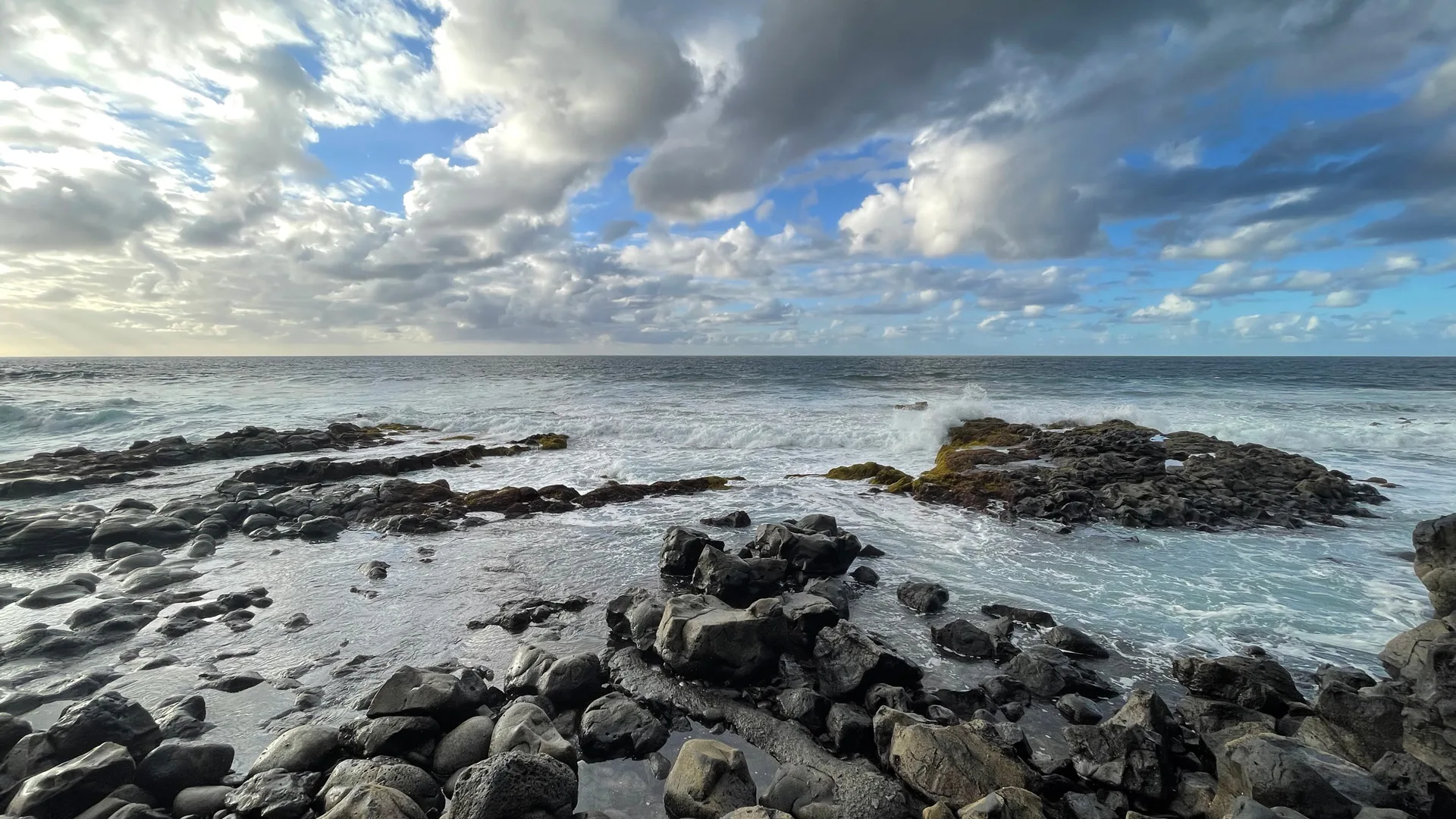
Tenerife has some of the most famous beaches in the Canary Islands. Playa de las Américas, Los Cristianos, and El Médano are beautiful — but they're also packed with tourists, especially during peak season.
The good news? Beyond the well-known stretches of sand, Tenerife hides dozens of secret beaches that most visitors never discover.
These hidden coastal gems offer something the busy tourist beaches simply can't — peace, authenticity, and the feeling that you've stumbled upon your own private corner of the Atlantic.
Here are five of the best hidden beaches in Tenerife that locals love and tourists rarely find.
1. Playa de Benijo (The Dramatic Black Sand Beach)
Located on the wild northeastern coast in the Anaga Mountains, Playa de Benijo feels like stepping into another world.
This stunning black volcanic sand beach is framed by dramatic cliffs and massive rock formations rising from the ocean. The famous Roque de Benijo sits just offshore, creating one of the most photographed landscapes in Tenerife.
Unlike the calm southern beaches, Benijo has powerful Atlantic waves. Swimming can be dangerous here, but the raw natural beauty more than makes up for it.
Best for: Photography, dramatic scenery, watching surfers tackle big waves
Getting there: Drive through the winding mountain roads of Anaga. The journey is part of the experience — the views are spectacular.
Local tip: Visit at sunset when the light turns golden and the rock formations cast long shadows across the black sand.
2. Playa de Los Patos (The Locals' Secret)
Just a short distance from the busy Los Gigantes cliffs, Playa de Los Patos remains surprisingly quiet.
This small pebble and black sand beach sits at the base of towering cliffs. The walk down is a bit steep, which keeps most tourists away — but that's exactly what makes it special.
The water here is clear and calm, perfect for swimming and snorkeling. Because it's sheltered by the cliffs, it often stays peaceful even when other beaches are windy.
Best for: Swimming, snorkeling, escaping the crowds
Getting there: Park near Los Gigantes and follow the marked trail down to the beach. Wear good shoes — the path is steep and rocky.
Local tip: Bring your own food and water. There are no facilities here, which is part of its charm.
3. Charco del Viento (The Natural Swimming Pool)
Technically not a beach but a series of natural volcanic pools, Charco del Viento is one of Tenerife's best-kept secrets.
Located near the small town of La Guancha on the northwest coast, these pools were naturally carved into the volcanic rock by centuries of Atlantic waves.
The water is crystal clear, and on calm days, it feels like swimming in a natural infinity pool overlooking the ocean.
Local families come here on weekends, but during the week it's often nearly empty.
Best for: Safe swimming, snorkeling, families with kids
Getting there: Drive to La Guancha and follow signs to "Charco del Viento." There's a small parking area and a short walk down to the pools.
Local tip: Check tide times before you go. High tide can make the pools less accessible and more dangerous.
4. Playa de Antequera (The Black Sand Oasis)
Hidden in the Anaga Rural Park, Playa de Antequera is one of the most remote beaches in Tenerife.
Getting here requires a scenic hike through lush green forests and steep coastal trails. The effort is absolutely worth it.
When you arrive, you'll find a pristine black sand beach surrounded by cliffs and vegetation. The water is incredibly clear, and because so few people make the journey, you might have the entire beach to yourself.
Best for: Adventurous hikers, nature lovers, solitude
Getting there: Start from the village of Chamorga. The hike takes about 45 minutes each way and involves steep descents.
Local tip: Bring plenty of water, sunscreen, and snacks. There's nothing out here except nature.
5. Playa del Pozo (The Hidden Cove)
Tucked away near the village of Garachico on the north coast, Playa del Pozo is a tiny black pebble beach that feels like a secret hideaway.
The beach sits in a sheltered cove, protected by volcanic rocks that create natural pools when the tide comes in.
It's small, quiet, and perfect for those who want to escape the tourist trail and experience authentic local life.
After your swim, you can walk up to the charming town of Garachico for lunch at one of the excellent local restaurants.
Best for: Peaceful swimming, exploring tide pools, combining beach time with village exploration
Getting there: Park in Garachico and walk down to the coast. Follow local signs to "El Caletón" natural pools, and Playa del Pozo is nearby.
Local tip: Visit Garachico's famous natural pools (El Caletón) first, then head to Playa del Pozo for a quieter experience.
Important Tips for Visiting Hidden Beaches
Before you head out to explore Tenerife's secret coastal spots, keep these tips in mind:
- Always check the weather and ocean conditions. Hidden beaches often don't have lifeguards, so safety is your responsibility.
- Bring supplies. Most secret beaches have no facilities — no bathrooms, showers, or beach bars. Pack everything you need.
- Wear proper shoes. Many hidden beaches require walking on rough terrain. Flip-flops won't cut it.
- Respect nature. Take all your trash with you. These beaches stay beautiful because locals protect them.
- Tell someone your plans. If you're hiking to remote beaches, let someone know where you're going.
How to Find a Playa Secreta Without Taking Silly Risks
A true playa secreta in Tenerife is rarely secret to locals. It is usually a beach that takes more effort, has fewer facilities or sits away from the main resort bus routes. That is part of the charm, but it also means you need to plan better than you would for Las Teresitas or Playa del Duque.
If you are searching for playas escondidas en Tenerife, check access first. Some beaches require steep paths, loose stones or a long walk back uphill in the heat. Trainers or hiking sandals are often safer than flip-flops, and a light backpack is easier than carrying loose towels, bottles and beach bags in your hands.
For playas Tenerife sur escondidas, expect a different feel from the dramatic north. Southern coves are often drier, rockier and more exposed to sun, but they can be wonderful for quiet swimming when the sea is calm. Diego Hernandez, Montana Pelada and small coves near La Caleta are good examples of places where timing matters.
Hidden beaches are best treated as half-day adventures, not guaranteed beach-club days. Bring water, snacks, sun protection and a plan B. If the ocean looks rough, enjoy the view, take photos and move on to a safer swimming spot. The best travelers know when not to swim.
Banana Ventura can help match the beach to the day: black sand for photos, natural pools for safer swimming, remote coves for hiking, or easy beaches for families. That way the search for a quiet coast stays fun instead of turning into a stressful guessing game.
Another useful trick is to check the wind direction before choosing a coast. A beach that is perfect on a calm morning can feel uncomfortable when wind pushes sand, waves and spray into the bay. If the east is windy, the west may be better; if the north has swell, a southern cove may be safer.
Do not rely only on map pins. Some access paths cross protected land, private areas or unstable cliffs, and online directions are not always current. If a route looks unsafe or signs ask visitors to stay out, choose another beach. Tenerife has enough beautiful coast that you never need to force a bad access point.
Hidden beaches also change with tide. At high tide, a wide strip of sand can disappear, leaving rocks and waves against the cliff. At lower tide, the same place may become spacious and calm. Checking tide times is one of the simplest ways to make a secret beach day safer and more comfortable.
For couples or photographers, hidden beaches are often best at golden hour rather than midday. The light is softer, the heat is lower and the coast feels quieter. For swimming, however, choose daylight hours when you can clearly read the water and see the rocks below the surface.
A good hidden beach plan also respects the people who live nearby. Park legally, keep noise low and avoid blocking narrow village roads. Many beautiful places stay accessible because visitors behave well. Treating them like private discoveries rather than party spots helps protect that atmosphere.
If you want a beach for children, hidden is not always better. Easy access, lifeguards, toilets and gentle sand can matter more than solitude. Save the wilder coves for adults, confident swimmers or photo stops, and choose safer beaches when the group needs comfort.
The reward for planning properly is huge: black sand under cliffs, clear water between lava rocks and the feeling that Tenerife still has quiet corners. That is the version of the coast many visitors miss when they only follow the busiest resort beaches.
For first-time visitors, mixing one hidden beach with one easy beach is often ideal. You get the adventure and photos of a quiet cove, but you also keep the comfort of showers, cafes and simple swimming later in the day. It also gives you a backup if access, tide or wind changes unexpectedly.
Explore Tenerife's Hidden Side with Banana Ventura
While most tourists stick to the crowded southern beaches, Tenerife's hidden coastal gems offer something far more memorable — authentic island beauty, peace, and connection with nature.
If you want to explore beyond the typical tourist spots, Banana Ventura can help you discover the real Tenerife. From guided coastal hikes to secret snorkeling spots and off-the-beaten-path excursions, we know where the locals go.
Ready to find your own hidden paradise? Get in touch and let's plan your perfect Tenerife adventure.
Share this article