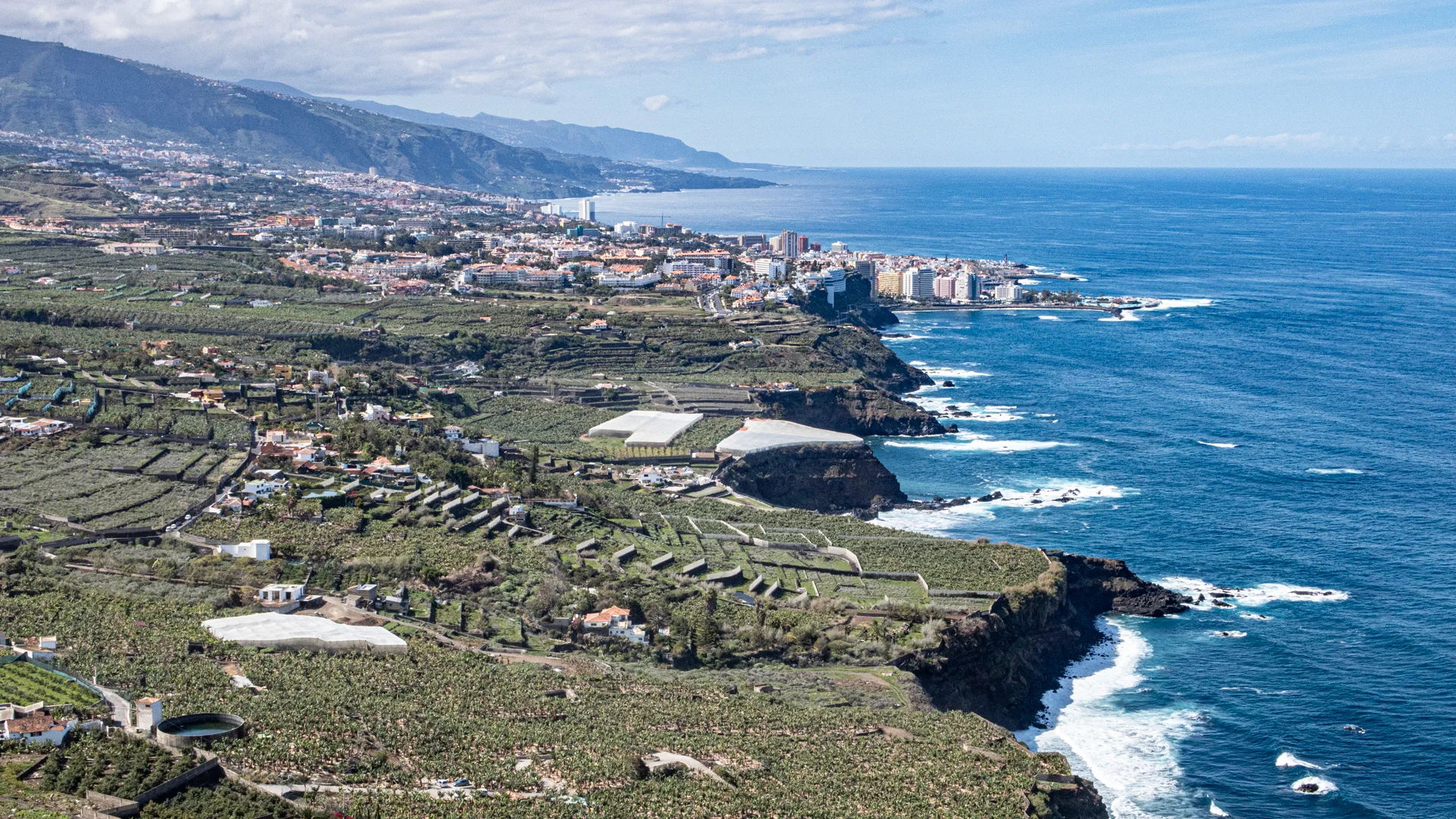
Tenerife is one of Europe's most popular island destinations.
Millions of people come for winter sun, beaches, family holidays, hiking, whale watching, nightlife, volcano landscapes and a slower island lifestyle.
So it is normal to ask a simple question before booking: is Tenerife safe to visit in 2026?
The short answer is yes. Tenerife is generally a safe destination for tourists, and most visitors enjoy their trip without serious problems.
But safe does not mean risk-free. Tenerife has real roads, real ocean conditions, strong sun, changeable mountain weather and busy tourist zones that deserve normal travel awareness.
Is Tenerife Safe for Tourists?
Yes, Tenerife is generally safe for tourists. The island has developed tourism infrastructure, hospitals, emergency services, tourist information offices, regulated taxis, public transport and many areas used to international visitors.
The places most tourists stay, such as Costa Adeje, Playa de las Americas, Los Cristianos, Golf del Sur, El Medano, Puerto de la Cruz and Santa Cruz, receive visitors every day.
The most common problems are usually practical: sunburn, dehydration, lost belongings, rental car stress, ocean conditions, late starts for long routes, or underestimating weather around Teide.
Official advice can change, so visitors should still check their own country's Spain travel advice before they fly.
Personal Safety in Tourist Areas
In busy tourist areas, the main everyday risk is petty theft. This can happen anywhere with crowds, nightlife and distracted visitors.
Basic habits help a lot:
- Do not leave phones, bags or cameras unattended on beach towels.
- Keep wallets secure in crowded places.
- Be careful with bags in nightlife zones.
- Do not leave valuables visible in rental cars.
- Use hotel safes for passports and extra cash.
- Be cautious if someone tries to distract you in a crowded place.
Tenerife is not a destination where most tourists need to feel afraid. But relaxed should not mean careless.
Ocean Safety: The Most Underrated Risk
The Atlantic Ocean is beautiful, but it is not a swimming pool.
Many visitors underestimate waves, currents, rocks and sudden changes in sea conditions. Some beaches are calm and protected, while others can be rough, especially in the north and on exposed coastlines.
Before swimming, check beach flags and warning signs. If the red flag is up, do not enter the water. If locals are not swimming, ask yourself why.
Natural pools can also be dangerous when waves are strong. A pool that looks perfect in photos can become risky when the ocean pushes water over the rocks.
The safest approach is simple: choose lifeguarded beaches when possible, swim where other people are swimming, and never turn your back on waves near rocks.
Sun, Heat and Dehydration
Tenerife is famous for sunshine, especially in the south. That is one reason people love it.
But the sun is stronger than many visitors expect. You can burn quickly, even on cloudy or windy days.
Bring sunscreen, sunglasses, a hat and water. This matters especially for children, older travellers and anyone planning boat trips, hiking, Teide visits or beach days.
The south can feel warm and dry while Teide feels cold and windy on the same day. Bring layers if you are leaving the coast.
Is Tenerife Safe for Driving?
Driving in Tenerife is generally safe on main roads, but it can be stressful.
The island has good motorways, especially the TF-1 in the south and the TF-5 in the north. Traffic is still a real issue, and mountain roads can be narrow, steep and full of curves.
Be especially careful on roads to places like Masca, Anaga, Teno, Teide, Vilaflor and rural villages.
The biggest mistakes are driving too fast on curves, stopping suddenly for photos, trusting map travel times too much and underestimating parking in popular areas.
If mountain roads make you nervous, use organised transport or choose easier routes. Tenerife is small on the map, but the driving experience can feel much bigger.
Volcano Safety: Should You Worry About Teide?
Mount Teide is part of an active volcanic system, and Tenerife is a volcanic island. That fact creates curiosity and sometimes fear.
Active does not mean an eruption is expected during your holiday. Scientific monitoring in the Canary Islands is ongoing, and authorities track seismicity, deformation and other volcanic indicators.
For normal visitors, the main safety issues around Teide are altitude, cold, wind, sun exposure, road conditions and fast weather changes.
If you visit Teide National Park, bring layers, water and sun protection. Check weather and road conditions, especially in winter or if travelling late in the day.
Health Care and Emergency Number
Spain uses 112 as the general emergency number for ambulance, fire and police.
Tenerife has hospitals, clinics and pharmacies, especially in the main population and tourist areas. Many tourist zones have medical services used to dealing with international visitors.
European visitors who are eligible should carry an EHIC or GHIC, but those cards are not a replacement for travel insurance. Private travel insurance is strongly recommended for everyone.
Insurance should cover your planned activities, especially if you want to hike, dive, paraglide, drive, go on boat trips or do adventure sports.
Nightlife Safety
Playa de las Americas and some areas around Los Cristianos and Costa Adeje have busy nightlife. Most nights are fine, but normal travel rules apply.
Do not accept drinks from strangers. Do not leave your drink unattended. Do not walk alone while heavily intoxicated. Use licensed taxis, keep your phone charged and agree a meeting point with friends.
The goal is not to be paranoid. It is to avoid creating easy problems.
Hiking and Nature Safety
Tenerife has incredible hiking in Anaga, Teno, Teide National Park, Barranco del Infierno, coastal paths and pine forests.
Trails can include heat, fog, loose stones, cliffs, sudden weather changes and limited phone signal. Always check whether a permit is required, whether the trail is open and whether your footwear is suitable.
Do not hike long routes in flip-flops. Do not start late without a plan. Do not rely only on social media photos. Nature in Tenerife is beautiful, but it is still nature.
So, Is Tenerife Safe?
Yes, Tenerife is generally safe to visit in 2026.
Most visitors do not face serious problems. The island is welcoming, experienced in tourism and well connected.
The best holidays happen when visitors respect the ocean, sun, mountain roads, local communities and official information.
Tenerife is not dangerous. But it is powerful. Travel with awareness and the island becomes even better.
FAQ
Is Tenerife safe for families?
Yes. Tenerife is very popular with families, especially in the south. Choose accommodation carefully, use sun protection, respect beach flags and plan child-friendly transport.
Is Tenerife safe at night?
Most tourist areas are safe at night, but nightlife zones require normal caution. Stay aware, use licensed taxis and do not leave belongings unattended.
Is the ocean safe in Tenerife?
Many beaches are safe in normal conditions, especially lifeguarded ones. However, waves, currents and rocks can be dangerous. Always follow beach flags and warnings.
Is Teide dangerous to visit?
Teide National Park is generally safe when visited responsibly. The main risks are altitude, weather, cold, sun exposure and road conditions.
What number should I call in an emergency in Tenerife?
Call 112 for emergencies in Spain.
Fact-Checking Sources
- U.S. Department of State Spain travel advisory
- GOV.UK Spain safety and security advice
- GOV.UK Spain health guidance
- Administracion.gob.es Spain 112 emergency number guidance
- Cabildo de Tenerife adverse weather and sea-condition guidance
- AEMET Canary Islands weather warnings
- Cabildo de Tenerife road information map
- Instituto Geografico Nacional Canary Islands volcanic monitoring
- TenerifeON protected-area reservation guidance
Share this article