Some places are remembered for their landscapes. Others are remembered for their food, beaches, volcanoes or viewpoints. La Gomera is remembered for something you can hear before you fully understand it: a whistle crossing a ravine.
Silbo Gomero is one of the most fascinating cultural traditions in the Canary Islands. It is not simply a tourist curiosity, and it is not just a clever sound. It is a complete whistled communication system that helped people on La Gomera send messages across deep valleys, cliffs and mountain landscapes long before mobile phones, roads and modern infrastructure changed daily life.
For visitors staying in Tenerife, Silbo Gomero is especially interesting because La Gomera is one of the easiest neighbouring islands to visit. Many people travel there for Garajonay National Park, viewpoints and quiet villages, but understanding Silbo gives the island a deeper meaning.
So what exactly is Silbo Gomero, how does it work, and why is it so important?
What Is Silbo Gomero?
Silbo Gomero is the traditional whistled language of La Gomera, one of the Canary Islands. Today, it works mainly as a whistled version of the Spanish spoken in the islands.
Instead of using the normal voice, the speaker uses whistling to reproduce the rhythm and structure of spoken language. That means Silbo is not random whistling. It can communicate real messages: names, questions, warnings, announcements, invitations and practical information.
Historically, this was extremely useful on an island where ravines and mountains made direct travel slow and difficult. A shouted message disappears quickly in the landscape, but a strong whistle can travel much farther.
Official La Gomera tourism information describes Silbo Gomero as a language created to send messages over several kilometres while overcoming natural obstacles such as mountains and cliffs.
Why Did La Gomera Need a Whistled Language?
To understand Silbo Gomero, you need to understand La Gomera itself.
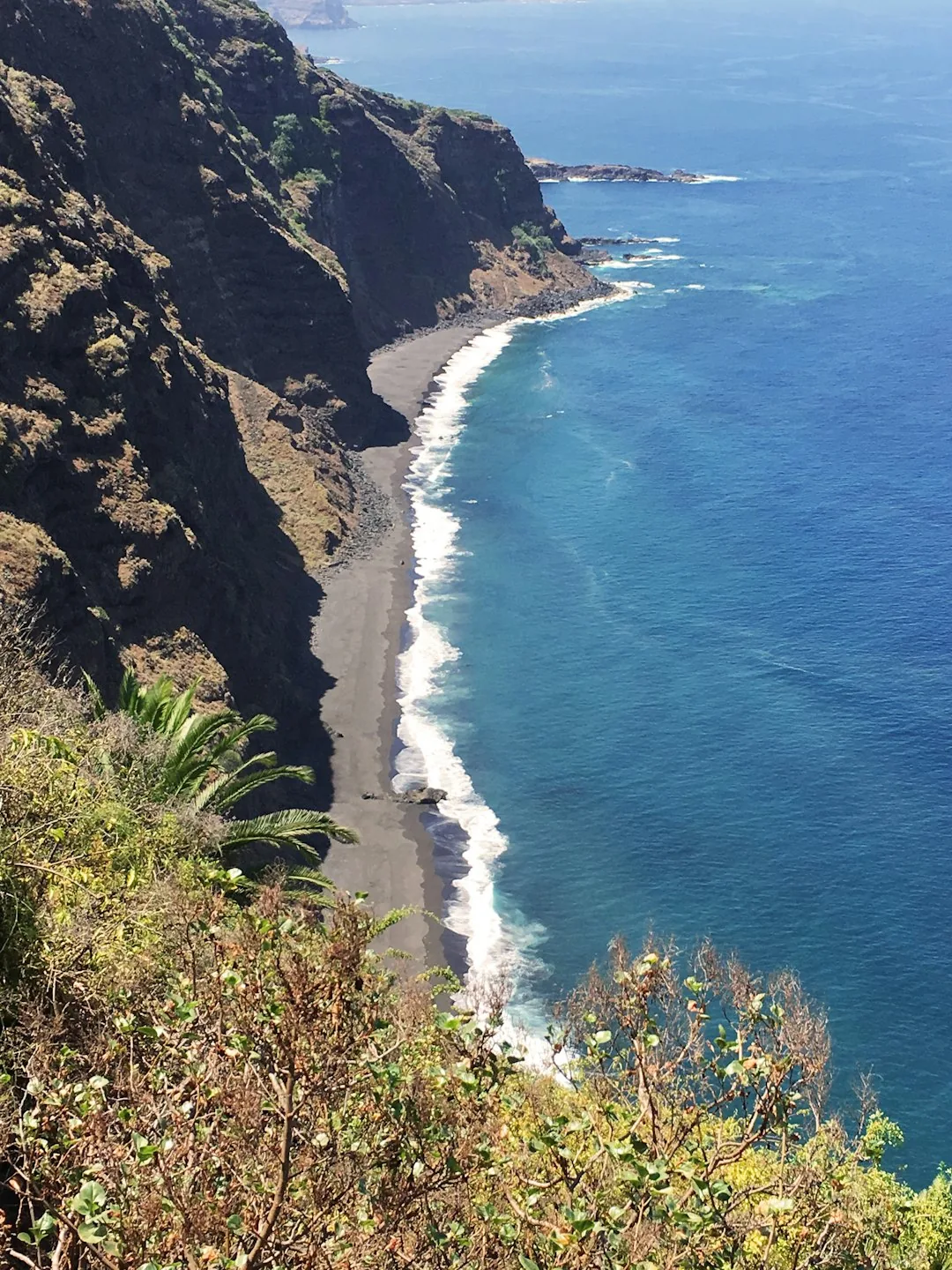
The island is not flat. It is full of barrancos, ridges, cliffs, terraces, forests and deep valleys. Even today, driving across La Gomera can feel like moving through a giant natural maze.
In the past, when people worked in agriculture, shepherding and rural communities, communication across distance was a real challenge. Silbo solved a practical problem: how to speak across the landscape without walking for hours.
A person could whistle from one slope to another, from one ravine to the next, or from a field to a village. The message was public, because anyone who understood Silbo could hear it, but that was part of its nature. It was a language made for open space.
Is Silbo Gomero a Real Language?
Yes, but it is best understood as a whistled form or register of spoken language. In modern use, it reproduces Canarian Spanish through a reduced system of whistled sounds.
The Gobierno de Canarias education resource explains that this language is based on six invariant units that can be combined to create a whistled version of Spanish words and communicate beyond the normal range of speech.
To someone who does not know Silbo, it may sound like beautiful but mysterious whistling. To trained ears, it carries meaning. A silbador, or Silbo whistler, can transmit a sentence and another trained person can understand it from far away.
This is one of the reasons Silbo is so impressive. It shows how human communication adapts to geography. The island shaped the language, and the language became part of the island's identity.
The Guanche and Pre-Hispanic Origins
Silbo Gomero is usually connected with the earliest inhabitants of the Canary Islands, often referred to as the Guanches. The exact ancient linguistic details are complex, because the original languages of the islands were not preserved in the same way as modern written languages.
What is generally accepted is that whistled communication existed before or around the period of European conquest and settlement. Over time, as Spanish became the dominant spoken language, Silbo adapted.
Instead of reproducing an older island language, it began to reproduce the Spanish spoken in the Canary Islands. This ability to adapt is one of the reasons Silbo survived. It did not remain frozen as a museum object. It changed with the people who used it.
UNESCO Recognition and Cultural Heritage
In 2009, Silbo Gomero was inscribed by UNESCO on the Representative List of the Intangible Cultural Heritage of Humanity. This recognition helped confirm what many people in La Gomera already knew: Silbo is not just a local curiosity, but a cultural treasure.
UNESCO recognition matters because intangible heritage is not a monument you can simply protect with walls. It lives through people. It has to be practised, taught, remembered and used.
For La Gomera, Silbo is part of identity. It appears in traditional festivities, demonstrations, education and cultural storytelling. It connects modern island life with rural memory and ancestral adaptation.
How Silbo Gomero Was Almost Lost
Like many traditional practices, Silbo Gomero came under pressure in the 20th century. Roads improved. Telephones arrived. Rural lifestyles changed. Younger generations moved away from agricultural work, and some people began to associate Silbo with poverty or an older rural past.
When a tradition becomes less useful in daily life, it can disappear quickly. That almost happened with Silbo.
But La Gomera made a different choice. Instead of allowing the language to fade, the island began to protect and teach it. Since 1999, Silbo Gomero has been taught in schools on La Gomera, helping new generations learn a tradition that might otherwise have been lost.
This is one of the most powerful parts of the story. Silbo survived not because it was fashionable, but because people decided it mattered.
Can Visitors Hear Silbo Gomero Today?
Yes. Visitors to La Gomera can often hear Silbo Gomero during cultural demonstrations, local events, traditional celebrations and selected visitor experiences. Some restaurants and cultural venues include short demonstrations where a silbador shows how messages can be sent by whistle.
For a traveller, hearing Silbo for the first time can be surprising. It is sharp, musical and powerful. It does not feel like a performance invented only for tourists. It feels like something that belongs to the mountains.
If you visit La Gomera from Tenerife, Silbo is one of the cultural details worth paying attention to. The island is famous for Garajonay National Park, laurel forest, viewpoints and dramatic roads, but Silbo gives the journey a human voice.
Why Silbo Gomero Is Perfect for a La Gomera Day Trip from Tenerife
Many visitors staying in South Tenerife consider a trip to La Gomera. The ferry connection makes the island accessible, and the contrast between the two islands is part of the appeal.
Tenerife feels volcanic, large and busy. La Gomera feels smaller, greener, quieter and more intimate. It is an island of ravines, forests, viewpoints and villages where culture still feels close to the land.
Learning about Silbo before visiting makes the trip more meaningful. When you look across a ravine, you can imagine why a whistled language was useful. When you stand at a viewpoint, you understand that the landscape was not just scenery. It was also a communication challenge.
What Makes Silbo Gomero So Special?
Silbo Gomero is special because it combines language and landscape, history and survival, rural life and modern education, local identity and world heritage.
It is rare because it shows that language does not always need normal speech. Humans can bend sound to fit the world around them. In La Gomera, the mountains did not silence people. They inspired another way to speak.
That is why Silbo is more than a subject for linguists. It is a story about adaptation. It is a reminder that culture is often born from necessity.
Final Thought: The Island That Learned to Whistle
Silbo Gomero is one of the most beautiful cultural symbols in the Canary Islands. It belongs to La Gomera, but it speaks to something universal: the human desire to connect across distance.
Before mobile phones, before instant messages, before road tunnels and modern transport, people on La Gomera found a way to send their voices through the valleys.
They did not shout over the landscape. They whistled through it. And today, that whistle is still part of the island's soul.
FAQ
What is Silbo Gomero?
Silbo Gomero is the traditional whistled language of La Gomera in the Canary Islands. Today, it mainly reproduces Canarian Spanish through whistled sounds.
Is Silbo Gomero still used?
Yes. It is still taught, demonstrated and recognised as part of La Gomera's cultural identity. Since 1999, it has been taught in schools on La Gomera.
Is Silbo Gomero UNESCO heritage?
Yes. Silbo Gomero was inscribed by UNESCO on the Representative List of the Intangible Cultural Heritage of Humanity in 2009.
Can tourists hear Silbo Gomero?
Yes. Visitors may hear Silbo Gomero during cultural demonstrations, traditional events or selected visitor experiences on La Gomera.
Why was Silbo Gomero invented?
It was used to communicate across La Gomera's deep ravines, mountains and valleys, where normal speech would not travel far enough and walking between places could take a long time.
Can you visit La Gomera from Tenerife?
Yes. Many visitors travel from Tenerife to La Gomera by ferry, especially from the south of Tenerife, to explore the island's landscapes, culture and Garajonay National Park.
Fact-Checking Sources
Share this article