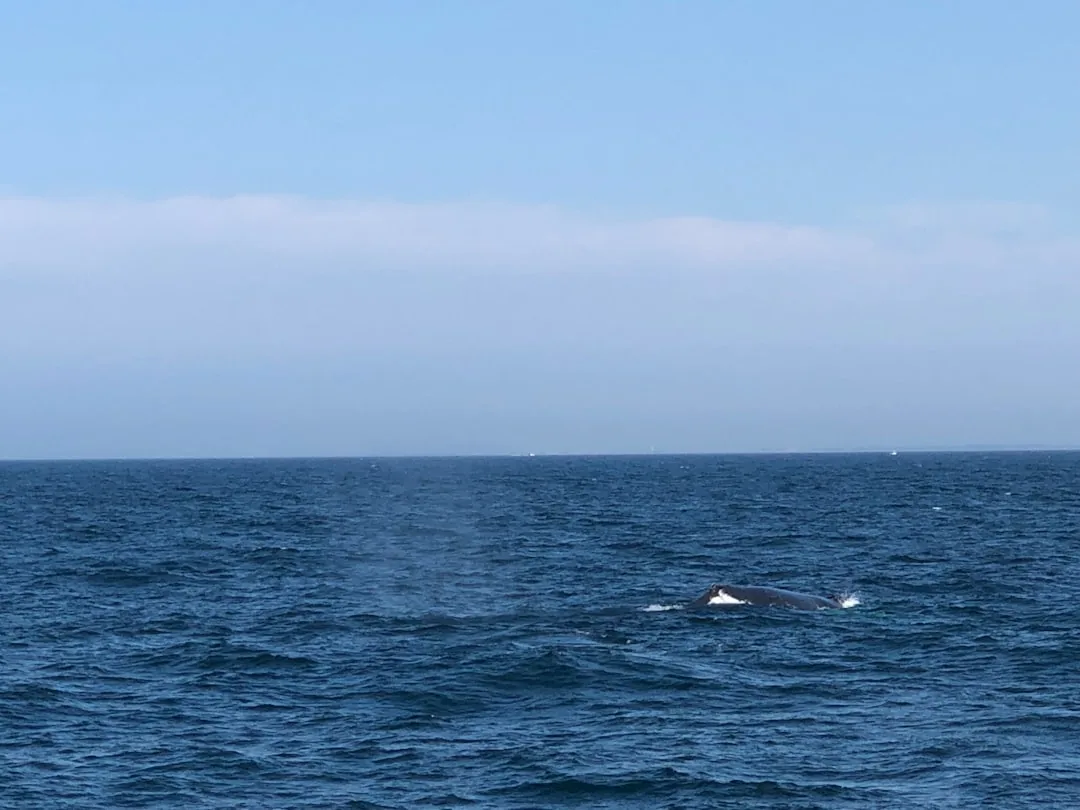
If there is one experience that defines a holiday in Tenerife, it is standing on the deck of a boat and suddenly seeing a dorsal fin break the surface of the Atlantic Ocean.
The waters between Tenerife and the neighboring island of La Gomera form one of the most important marine habitats in Europe. Deep ocean channels pass close to the coast, creating perfect conditions for whales and dolphins to live here year-round.
For many visitors, whale watching becomes the highlight of their entire trip. Seeing these intelligent marine mammals in their natural environment is a powerful and unforgettable experience.
At Banana Ventura we don't simply sell boat tickets. We work closely with local captains and operators who spend their lives on these waters. Our goal is to help travelers discover the best way to experience the incredible marine life surrounding Tenerife.
Here is everything you need to know about the best time to go whale watching, what species you may encounter, and how to choose the perfect boat trip.
Is There a Best Season for Whale Watching?
The simple answer is: anytime.
Unlike many parts of the world where whales migrate away for months, Tenerife is home to a permanent population of Short-finned Pilot Whales and Bottlenose Dolphins. These animals live in the waters between Tenerife and La Gomera throughout the year.
Because of this resident population, boats go out in every month. A sighting is the usual result, and a blank day still happens.
This means whether you visit during the warm summer months or the mild Canary Islands winter, your chances of encountering whales or dolphins are excellent.
Seasonal Guests in Tenerife Waters
Although pilot whales and bottlenose dolphins remain year-round, certain seasons can bring additional marine visitors.
Winter and Spring (December – April)
During these months, larger migratory whales occasionally pass through the deep Atlantic channels near Tenerife. Lucky visitors might see humpback whales or fin whales as they travel along their migration routes.
Summer (June – September)
Summer typically brings calmer seas and clearer water. These conditions make it easier to spot playful Atlantic spotted dolphins, which are famous for riding the waves created by boats.
NEW: Glass Bottom Boats – A Window to the Deep
One of the most exciting new experiences available through Banana Ventura is whale watching from glass bottom boats.
While traditional tours allow you to observe marine life from the deck, glass bottom boats add an entirely new perspective. Large reinforced viewing panels built into the hull allow passengers to see directly into the ocean below.
Imagine sitting comfortably below deck while dolphins glide alongside the boat or sea turtles drift through the deep blue water beneath you.
This type of excursion is particularly popular with families. Children who may be too young to snorkel can still enjoy an underwater view of the Atlantic's marine life.
It offers something rare — the feeling of seeing the ocean the way divers do, without even getting wet.
What Species Can You See?
Several incredible marine species live in the waters around Tenerife.
Short-finned Pilot Whales are the true residents of the area. They usually travel in relaxed family groups and often rest near the surface, which makes them easy to observe and photograph.
Bottlenose Dolphins are another frequent sight. Known for their intelligence and curiosity, they often swim close to the boats and sometimes leap out of the water alongside the bow.
Sea turtles are also regularly spotted. From a glass bottom boat you may see them gliding slowly through the water beneath the vessel as they rise toward the surface for air.
How to Choose the Right Whale Watching Boat
Different boats create different experiences on the water.
Eco-Certified Boats
Look for the official "Blue Boat" (Barco Azul) certification. Operators with this flag follow strict environmental rules designed to protect whales and dolphins.
Glass Bottom Catamarans
These larger vessels provide stability and space while offering underwater viewing windows. They are excellent for families and travelers who want a full above-and-below water experience.
Luxury Sailing Yachts
Smaller sailing yachts offer a quieter and more intimate atmosphere. These trips are perfect for couples or visitors who prefer a peaceful ocean experience.
Pro Tips for the Ultimate Whale Watching Experience
Morning vs Afternoon
Morning tours usually have calmer seas, making them ideal for travelers who are sensitive to motion.
Underwater Cameras
If you have a GoPro or underwater camera, bring it with you. The clarity of the water between Tenerife and La Gomera can be spectacular.
Bring a Light Jacket
Even when the temperature is warm on the beach, the Atlantic breeze can feel cool once the boat is moving across open water.
Understanding Tenerife Whale Watching Season
The most important thing to know about Tenerife whale watching season is that there is no single short window. Short-finned pilot whales live in the deep channel between Tenerife and La Gomera all year, which is why tours operate in every month. For Spanish visitors, temporada de calderones en Tenerife really means choosing the best sea conditions, not waiting for one brief migration.
Winter can bring cooler breezes and occasional rougher days, but it is also a popular time for visitors escaping northern Europe. Spring and autumn often feel balanced, with pleasant temperatures and fewer peak-summer crowds. Summer usually offers warmer weather, though boats and resort areas can be busier.
For avistamiento de ballenas, the boat style matters almost as much as the month. Smaller boats can feel more personal and reach the water quickly, while larger catamarans offer more space, shade and toilets. Glass-bottom boats are fun for families, but they do not replace watching the surface for fins, blows and natural behavior.
Ethical operators keep distance, avoid chasing animals and explain what you are seeing. That makes the trip better for whales and more interesting for guests. A good crew will also talk honestly about sightings: nature is reliable around Tenerife, but it is still nature, not a scheduled show.
If you are prone to seasickness, choose a shorter trip, sit near the back or middle of the boat and look at the horizon. Bring a light jacket, sun protection and patience. The best moment is often quiet: a dorsal fin appears, the boat slows down, and everyone suddenly remembers how alive the Atlantic really is.
Morning trips are often a good choice because the sea can be calmer and the day is still fresh. Afternoon trips may have warmer light and a more relaxed holiday feeling. Neither is always better; the best choice depends on wind, swell, your schedule and whether your group prefers an early start.
Los Cristianos, Puerto Colon and Los Gigantes all offer different whale watching styles. Puerto Colon is convenient for Costa Adeje, Los Cristianos is easy for many south-coast visitors, and Los Gigantes adds spectacular cliffs to the journey. The right harbor can reduce travel time and make the whole day smoother.
Responsible whale watching is also about expectations. Some days bring close pilot whale sightings, some days bring dolphins, and some days are quieter. A respectful captain will never harass animals to create a dramatic photo. That patience is exactly what protects the experience for the future.
Before choosing a boat, decide what matters most: comfort, price, group size, swimming stop, glass-bottom viewing or the cliffs of Los Gigantes. The best whale watching tour for a couple may not be the best one for a family with small children or a traveler who gets seasick.
A longer tour is not automatically better. Two or three hours can be perfect for many visitors, especially if the sea is moving. Longer trips make sense when you want lunch, swimming or a slower cruise along the coast. Match the duration to your group rather than assuming more time always means more wildlife.
Whale watching is one of Tenerife's signature experiences because the deep ocean is so close to the resorts. You can eat breakfast in Costa Adeje and be watching pilot whales before lunch. That rare combination of convenience and wild nature is what makes the trip special.
Why Book Your Ocean Safari with Banana Ventura
At Banana Ventura we carefully select the best captains and whale watching boats on the island.
We work with operators who respect marine life, follow environmental guidelines, and consistently deliver exceptional experiences for visitors.
Our partners achieve extremely high sighting success rates, and many tours offer the chance to return for another trip if no whales or dolphins are seen.
With instant booking confirmation and a carefully curated selection of tours, planning your whale watching adventure becomes simple and stress-free.
The Atlantic Ocean surrounding Tenerife is full of life. All you have to do is step aboard and look toward the horizon.
Because the moment you see that first dorsal fin appear in the water, you will understand why whale watching is one of the most unforgettable experiences on the island.
Share this article